
Explore the psychology behind casino game design
The Allure of Game Mechanics
At the core of every casino game lies a carefully crafted set of mechanics designed to engage players and keep them coming back for more. These mechanics often include concepts such as variable rewards, which tap into the human brain’s natural inclination towards unpredictability. For instance, slot machines utilize a random number generator to determine outcomes, creating a sense of excitement when players experience the elusive “near-miss” scenario. Many players also prefer a secure online casino with fast withdrawal options to enhance their gaming experience. This unpredictability heightens emotional arousal, making the experience more thrilling and encouraging players to continue playing in hopes of hitting a jackpot.
Moreover, game mechanics are often designed to manipulate time perception. Casinos frequently employ tactics like rapid spins and fast-paced gameplay to create an immersive experience that can make players lose track of time. This phenomenon, known as “temporal distortion,” leads individuals to spend longer periods engaged in gameplay, often resulting in greater financial expenditure. By creating an environment where time seems to fly, casinos can maximize player engagement and revenue.
The psychology of sound and visual stimuli also plays a significant role in game design. The auditory cues from winning combinations or the jingles of coins can induce positive reinforcement, thereby encouraging players to keep playing. Likewise, vibrant graphics and appealing themes can captivate players’ attention, drawing them into fantasy worlds that enhance their gaming experience. These elements are deliberately used to create an emotional response that reinforces the desire to play, making each session feel more rewarding.
The Role of Environment and Atmosphere
Casino design extends beyond individual games; it encompasses the overall environment in which these games exist. The architecture, lighting, and decor of a casino are meticulously crafted to create a specific atmosphere that entices patrons. Warm lighting and lush carpets provide a sense of comfort and luxury, while the arrangement of gaming machines encourages a feeling of camaraderie among players. This carefully curated environment fosters a social ambiance that appeals to the human need for connection.
Research has shown that the physical layout of a casino can significantly influence player behavior. For example, the placement of games in groups can promote interaction among players, contributing to a communal gaming experience. This interaction is particularly appealing in games that require social engagement, such as poker. Furthermore, the lack of windows and clocks in casinos is a deliberate choice to prevent players from being aware of the passage of time, immersing them fully in the gaming experience.

The sensory overload that casinos are designed to create can also affect decision-making processes. Bright lights and engaging sounds can distract players from rational thought, leading to impulsive decisions that often favor the house. This manipulation of the environment is a key psychological strategy that ensures players remain engaged and, more importantly, continue to gamble even when faced with loss.
The Impact of Branding and Themes
Branding and thematic elements in casino game design are crucial for differentiation and player attraction. Whether it’s a game based on popular culture, movies, or historical themes, these elements serve to create a narrative that players can engage with. Themed games often incorporate familiar symbols and characters, which not only enhance the appeal but also serve as a reminder of positive experiences associated with those themes. This connection can lead players to develop a preference for particular games, driving them to seek out those experiences.
Moreover, effective branding generates loyalty among players. When individuals identify with a brand, they are more likely to play its games consistently due to perceived value and familiarity. This loyalty can be further reinforced through marketing strategies that leverage psychology, such as offering loyalty programs that reward frequent players. These programs create a sense of belonging and community, which can be particularly compelling in an environment designed for social interaction.
The use of color psychology also plays a vital role in branding and thematic design. Certain colors evoke specific emotions; for instance, red can generate excitement and urgency, while blue may invoke feelings of trust and calm. By integrating color choices that align with the game’s theme and desired emotional response, game designers can enhance the overall player experience, leading to increased duration and frequency of play. Understanding these psychological triggers is essential in creating immersive and appealing gaming experiences.
The Psychology of Risk and Reward
At the heart of casino gaming lies the intricate relationship between risk and reward. Players are often drawn to the thrill of placing bets and the potential for significant payoffs. This psychological attraction is compounded by the “gamification” of features like progressive jackpots, where the stakes rise continuously until someone wins. Such structures create an exhilarating sense of anticipation that keeps players engaged, as they are lured into the hope of hitting a life-changing sum.
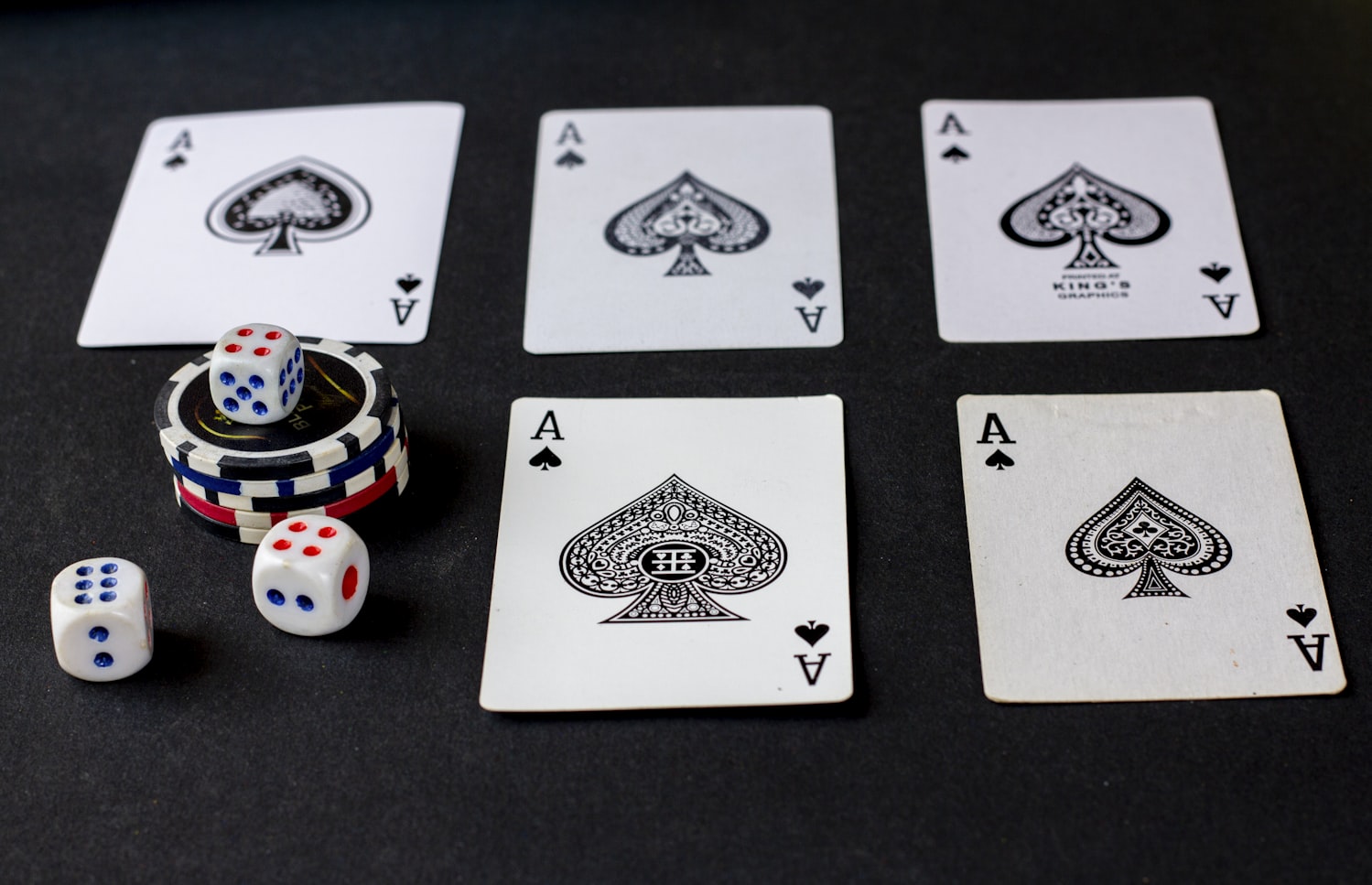
Additionally, the concept of loss aversion plays a significant role in gambling behavior. Research indicates that individuals are more motivated to avoid losses than to pursue equivalent gains. Casinos exploit this psychological tendency by structuring games in a way that mitigates the pain of loss, often through small wins that occur frequently. These small victories serve to validate the player’s continued engagement, masking the overall losses in a way that keeps them hopeful and invested in the game.
The psychology of risk-taking is also influenced by social dynamics. Players often feel emboldened by the presence of others, leading them to take higher risks or make bolder bets than they would in isolation. This social validation can amplify the thrill of gambling, making the experience more enjoyable and potentially encouraging further participation. Understanding these psychological aspects allows casino designers to fine-tune their games in ways that maximize player engagement and satisfaction.
Insights from the Gaming Experience: What Users Think
Feedback from players about their gaming experiences offers invaluable insights into their psychological engagement with casino games. Many players describe feelings of excitement, thrill, and even euphoria associated with large wins, while also expressing frustration and disappointment with losses. Understanding these emotional responses can help designers tailor experiences that cater to player preferences and psychological satisfaction. By analyzing player feedback, casinos can refine game mechanics and environments to enhance emotional engagement.
Furthermore, player communities often share their experiences and strategies online, creating a shared narrative that reinforces their connection to specific games. This community feedback can influence new players’ perceptions and decisions, as individuals may be more likely to try games that are highly recommended by peers. This dynamic inherently creates a cycle of engagement and loyalty within particular gaming experiences.
Ultimately, the interplay between game design and player psychology is a continuous journey of improvement. As casino operators gather data on player behaviors and preferences, they refine their offerings, ensuring that the gaming experience remains fresh and engaging. By prioritizing user insights, casinos can evolve their designs to align with player desires, fostering a thriving gaming culture that appeals to both new and returning guests.